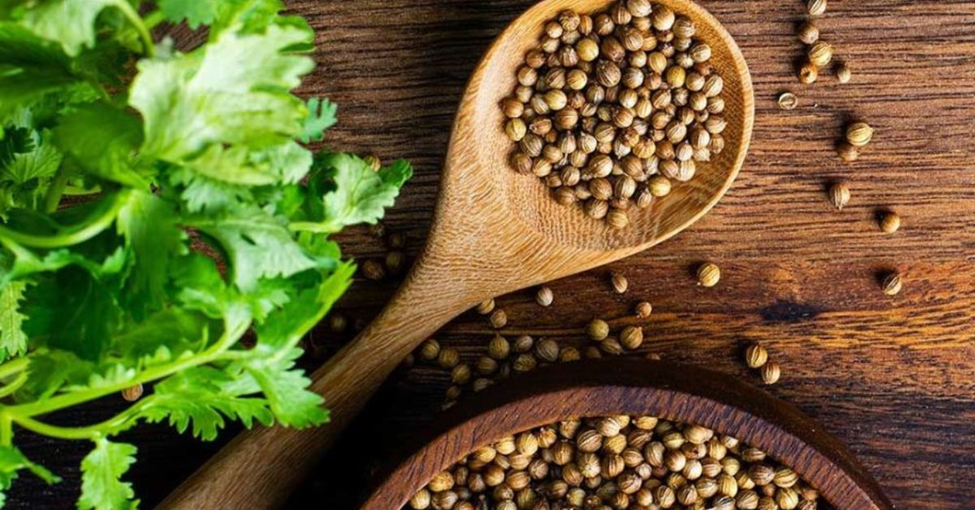
Koriandri, commonly known as coriander, is one of the most versatile herbs and spices found in kitchens and traditional medicine systems across the world. From its aromatic leaves to its powerful seeds, koriandri offers flavor, nutrition, and healing properties that have been appreciated for thousands of years. Whether added to meals for taste or included in remedies for wellness, koriandri stands as a botanical treasure with countless benefits.
Will You Check This Article: Mastermind Behind Art Forensics: The Legacy of Jeroen Dik
What Is Koriandri?
Koriandri refers to the seeds of the coriander plant, although the term is often used interchangeably to describe both the herb (leaves) and the spice (seeds). The plant belongs to the Apiaceae family and is native to regions of the Mediterranean, South Asia, and the Middle East. Koriandri seeds possess a warm, citrusy, slightly nutty flavor, making them a staple in cuisines worldwide.
Historical Importance
Koriandri has a rich historical presence. Ancient Egyptians used coriander seeds in ceremonial rituals and burial tombs. Greeks and Romans valued koriandri for its culinary and medicinal uses, employing it as both a spice and a remedy. In ancient Indian Ayurveda and Chinese medicine, koriandri was celebrated for its ability to balance digestion, soothe inflammation, and cleanse the body.
Nutritional Profile
Koriandri seeds are packed with nutrients. They contain dietary fiber, vitamins A, C, and K, and minerals such as potassium, magnesium, calcium, and iron. The seeds are also rich in essential oils like linalool and pinene, which contribute to their therapeutic properties. Despite being used in small amounts, koriandri significantly enhances nutritional intake.
Aroma and Flavor Characteristics
Koriandri seeds have a unique flavor profile that combines citrusy brightness with warm, earthy undertones. When lightly toasted, their aroma becomes richer and more pronounced. This distinctive taste allows the spice to complement savory dishes, sweet treats, and beverages alike. Its flexibility makes it a favorite among chefs and home cooks.
Culinary Uses of Koriandri
Koriandri is used in various forms—whole seeds, ground powder, or crushed spice blends. In South Asian cuisine, it is a key ingredient in curry powders and garam masala. Middle Eastern dishes use koriandri for depth and aroma, while Latin American cuisines embrace its fresh leaves (cilantro) for vibrancy. Even baked goods, pickles, and beverages benefit from its subtle citrus notes.
Digestive Health Benefits of Koriandri
Koriandri is widely known for its digestive benefits. It stimulates enzyme production, reduces bloating, and aids in smoother digestion. The seeds contain antispasmodic properties, meaning they can ease stomach cramps and discomfort. Many traditional remedies incorporate koriandri tea or infused water to treat indigestion and gas-related issues.
Anti-Inflammatory Properties of Koriandri
The essential oils in koriandri possess strong anti-inflammatory effects. These compounds help reduce swelling and soothe internal irritation. People dealing with arthritis, skin inflammation, and inflammatory bowel conditions often find relief through regular use of coriander in their diet. Its natural compounds act gently without causing harmful side effects.
Detoxification Power of Koriandri
Koriandri has natural detoxifying abilities. It helps eliminate heavy metals such as mercury, lead, and aluminum from the body. Its antioxidant content protects cells from damage and enhances the body’s natural cleansing mechanisms. Consuming koriandri regularly can support liver function and promote overall detoxification.
Koriandri for Blood Sugar Control
Research has shown that koriandri helps regulate blood sugar levels. It stimulates insulin secretion and improves glucose metabolism. Individuals with prediabetes or diabetes often incorporate koriandri into their diet as a supportive measure. Its seeds can be soaked overnight and consumed in the morning for better sugar management.
Heart Health Benefits of Koriandri
Koriandri supports heart health in several ways. It reduces bad cholesterol (LDL) and increases good cholesterol (HDL), contributing to better cardiovascular function. The spice also contains compounds that help relax blood vessels, improving circulation and reducing blood pressure. A heart-friendly diet often includes koriandri as a key ingredient.
Skin Health and Koriandri
Koriandri offers numerous skin benefits due to its antibacterial and antioxidant properties. It helps soothe irritation, reduce acne, and lighten pigmentation. Many natural skincare remedies use koriandri paste, oil, or water to achieve a clearer and brighter complexion. Its cooling effect makes it useful for calming sunburns and rashes as well.
Weight Management Benefits of Koriandri
Koriandri can assist in weight management by boosting metabolism and promoting better digestion. Its ability to reduce bloating and improve nutrient absorption makes it a valuable addition to healthy diets. Some people drink koriandri seed water in the morning to kickstart digestion and support fat-burning processes naturally.
Immune-Boosting Properties of Koriandri
Packed with antioxidants, vitamins, and essential oils, koriandri strengthens the immune system. Its antibacterial and antifungal properties help protect the body from infections. Drinking koriandri-infused tea or adding the seeds to soups and broths offers natural protection against seasonal illnesses.
Using Koriandri in Herbal Remedies
For centuries, koriandri has been used in herbal medicine. Koriandri tea treats digestive troubles, while koriandri seed oil is used for pain relief. Seed-infused water supports detoxification, and pastes made from crushed seeds soothe skin irritation. These remedies demonstrate the wide-ranging therapeutic potential of koriandri.
How to Store and Preserve Koriandri
Proper storage extends the freshness of koriandri. Whole seeds should be kept in an airtight container away from moisture and heat. Ground koriandri loses its aroma quickly, so it’s best to grind small batches as needed. When stored correctly, koriandri maintains its flavor and potency for months.
Possible Side Effects and Precautions
Although koriandri is generally safe, excessive consumption may cause sensitivity in some individuals. Allergic reactions, though rare, can occur. People with low blood pressure or taking medication for blood sugar should use koriandri cautiously, as its natural effects may enhance medication action. Moderation ensures safe and beneficial results.
Conclusion
Koriandri is truly a gift from nature—a powerful spice, a versatile herb, and a reliable traditional remedy. Its rich flavor enhances global cuisines, while its medicinal properties support digestion, detoxification, heart health, and immunity. With centuries of use behind it, koriandri continues to hold a valuable place in both culinary and wellness traditions. Whether enjoyed in meals or used as a healing ingredient, koriandri offers benefits that make it an essential part of a healthy lifestyle.
FAQs
1. What is koriandri?
Koriandri refers to coriander seeds or the coriander plant, used as both a spice and a medicinal herb.
2. Is koriandri good for digestion?
Yes, koriandri improves digestion, reduces bloating, and helps relieve stomach discomfort.
3. Can koriandri help control blood sugar?
Koriandri supports healthy blood sugar levels by enhancing insulin activity and improving glucose metabolism.
4. How is koriandri used in cooking?
It is used in whole, crushed, or ground form to add flavor to curries, pickles, soups, and spice blends.
5. Does koriandri have skincare benefits?
Yes, koriandri helps soothe inflammation, reduce acne, and brighten skin due to its antibacterial and antioxidant properties.
Leave a Reply