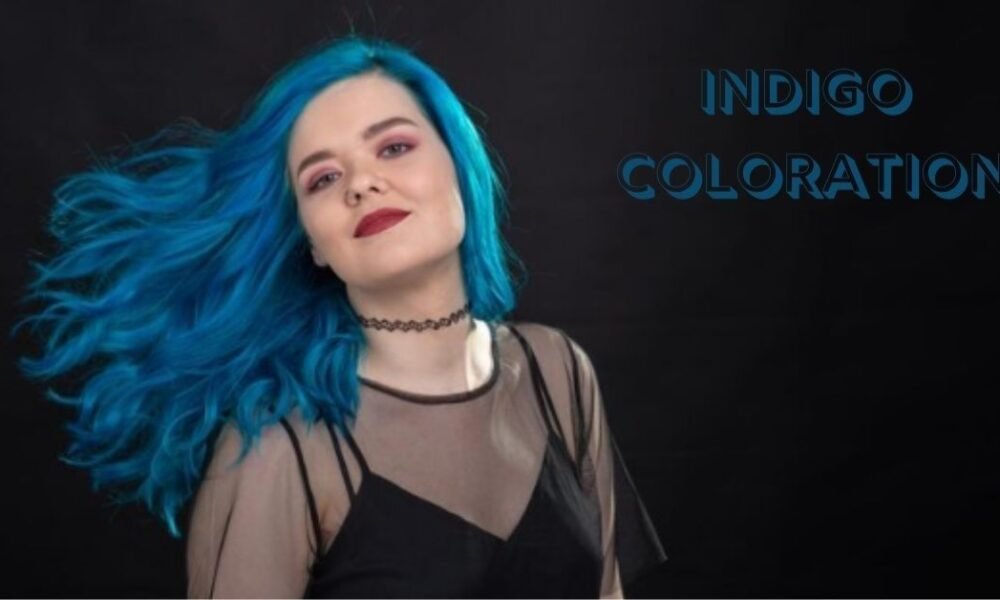
Indigo coloration has always carried a quiet kind of power. It sits between blue and violet, deep and mysterious, yet calming at the same time. Whether you notice it in denim, traditional textiles, or painted walls, this shade tends to hold your gaze a little longer. Over the years, I have seen how this rich hue can change the mood of a room, a fabric, or even a brand identity. Understanding where it comes from and why it matters makes you appreciate it on a completely different level.
The Origins and Cultural Roots of Indigo Coloration
The story of indigo coloration begins thousands of years ago, long before synthetic dyes existed. Ancient civilizations in India, Egypt, and parts of Africa extracted blue pigment from indigo plants and used it to color textiles. The process was slow and required skill, but the result was a deep, lasting hue that symbolized wealth and status. In many cultures, this dye was more valuable than gold.
In India, indigo became a major trade commodity during colonial times. Farmers cultivated vast fields of the plant, and the dye traveled across continents. The rich blue cloth became popular in Europe, shaping early fashion trends. This global demand changed economies and influenced political events, showing how a single pigment could affect history in surprising ways.
In West Africa, indigo-dyed fabrics carried spiritual and social meaning. Patterns often reflected identity, community, and tradition. The color itself represented protection and prosperity. Even today, handmade textiles dyed with natural pigment remain treasured cultural symbols. These roots give indigo coloration a depth that goes beyond simple aesthetics.
Will You Check This Article: Fotbladet: A Closer Look at Its Meaning and Use
The Science Behind the Deep Blue Hue
At its core, indigo coloration comes from a compound called indigotin. In natural dyeing, leaves from the indigo plant are fermented to release this pigment. Oxygen plays a crucial role in the process. When the fabric is removed from the dye bath, it appears green at first, then slowly turns blue as it reacts with air. Watching this transformation feels almost magical.
Synthetic indigo, developed in the late nineteenth century, made the dye more accessible. Chemists learned how to replicate the pigment in laboratories, ensuring consistent color and lower production costs. This shift changed the textile industry forever. Mass production allowed manufacturers to create affordable garments while maintaining that signature deep shade.
The chemistry behind the color also explains its durability. Indigo molecules bond with fabric fibers in a unique way, sitting on the surface rather than fully penetrating. This is why denim fades gradually with wear. That fading effect has become part of its charm, giving clothing character and a personal story over time.
Indigo in Traditional Textiles and Craft
Traditional artisans treat indigo coloration as both craft and ritual. In Japan, the technique known as aizome involves repeated dipping and careful timing. Each layer deepens the shade, creating subtle variations that machine processes cannot replicate. The hands-on approach demands patience and precision, which adds emotional value to every finished piece.
In many rural communities, dyeing sessions are social events. Families gather around vats, sharing knowledge passed down through generations. The smell of fermenting leaves and the sight of fabric changing color create an experience that connects people to land and heritage. This connection keeps traditional methods alive despite industrial alternatives.
Hand-dyed textiles often show slight imperfections, and that is part of their appeal. Uneven tones and soft gradients remind us that a human being shaped the fabric. In a world of uniform mass production, these details feel authentic. They make the color seem alive rather than printed or artificial.
Indigo Coloration in Modern Fashion
Few fabrics showcase indigo coloration as clearly as denim. From classic jeans to contemporary jackets, the shade has become a wardrobe staple worldwide. Designers appreciate its versatility. It pairs easily with neutrals, bright tones, and even metallic accents. That adaptability keeps it relevant season after season.
Fashion brands now experiment with sustainable dyeing techniques to reduce environmental impact. Water-saving technologies and plant-based dyes are gaining attention. Consumers care more about how garments are made, not just how they look. By revisiting natural processes, the industry attempts to balance style with responsibility.
Streetwear and high fashion both embrace this deep blue hue. It appears in tailored suits, flowing dresses, and casual basics. The color carries a sense of reliability yet allows for creative expression. That balance explains why it never truly goes out of style.
Psychological Impact and Symbolism
Colors influence mood more than we realize, and indigo coloration is no exception. This shade often evokes calmness and introspection. It sits deeper than sky blue, creating a sense of quiet focus. Many people associate it with wisdom and intuition, perhaps because it feels grounded yet thoughtful.
In interior design, this hue can make a room feel cozy without becoming heavy. When used on an accent wall or in textiles, it adds depth and contrast. Paired with warm lighting, it creates a comforting atmosphere. Designers often choose it for bedrooms or study areas where relaxation and concentration matter.
Branding experts also value the psychological strength of this color. It communicates trust, stability, and depth. Companies that want to appear reliable sometimes incorporate similar shades into logos and packaging. The emotional response it triggers can subtly influence consumer perception and loyalty.
Indigo in Art and Creative Expression
Artists have long been fascinated by indigo coloration because of its complexity. Unlike flat blues, it carries hints of violet and shadow. Painters use it to create dramatic skies or deep ocean scenes. The color adds mood and dimension without overwhelming the canvas.
In contemporary art, indigo often appears in abstract works and mixed media projects. Its depth contrasts beautifully with lighter pigments and metallic details. The interplay between dark and light can symbolize mystery, transition, or emotional depth. Creative minds use it to tell stories without words.
Craft enthusiasts also experiment with natural dyeing at home. Small-scale projects, such as scarves or cushion covers, allow people to reconnect with traditional methods. The unpredictability of the final shade makes each piece unique. That sense of discovery keeps the creative process exciting.
Sustainability and Environmental Considerations
The production of synthetic dyes has raised environmental concerns over the years. Wastewater from textile factories can harm ecosystems if not treated properly. As awareness grows, many companies are rethinking how they approach indigo coloration. Cleaner production methods are becoming a priority rather than an afterthought.
Natural dyeing offers a more eco-friendly option, though it requires time and resources. Farmers must cultivate indigo plants responsibly to avoid soil depletion. Sustainable practices include crop rotation and reduced chemical use. These methods protect both the environment and local communities.
Consumers also play a role in promoting responsible choices. Buying durable garments and caring for them properly reduces waste. When jeans last longer, fewer replacements are needed. Small actions like washing in cold water and air drying help preserve both color and fabric integrity.
Conclusion: Why Indigo Coloration Still Matters
Indigo coloration continues to captivate people because it combines history, science, and emotion in one shade. From ancient trade routes to modern fashion runways, it has adapted without losing its identity. Few colors carry such a layered story while remaining practical for everyday use.
Its deep blue tone speaks of tradition and innovation at the same time. Artisans, designers, and scientists each interpret it differently, yet the result always feels familiar. That blend of stability and mystery keeps it relevant across cultures and generations.
When you look at a piece of indigo-dyed fabric, you are seeing more than pigment. You are seeing centuries of craftsmanship, chemical discovery, and personal expression. That enduring appeal explains why this color remains a powerful presence in our lives today.
Read More: Dollartimes.co.uk
Leave a Reply