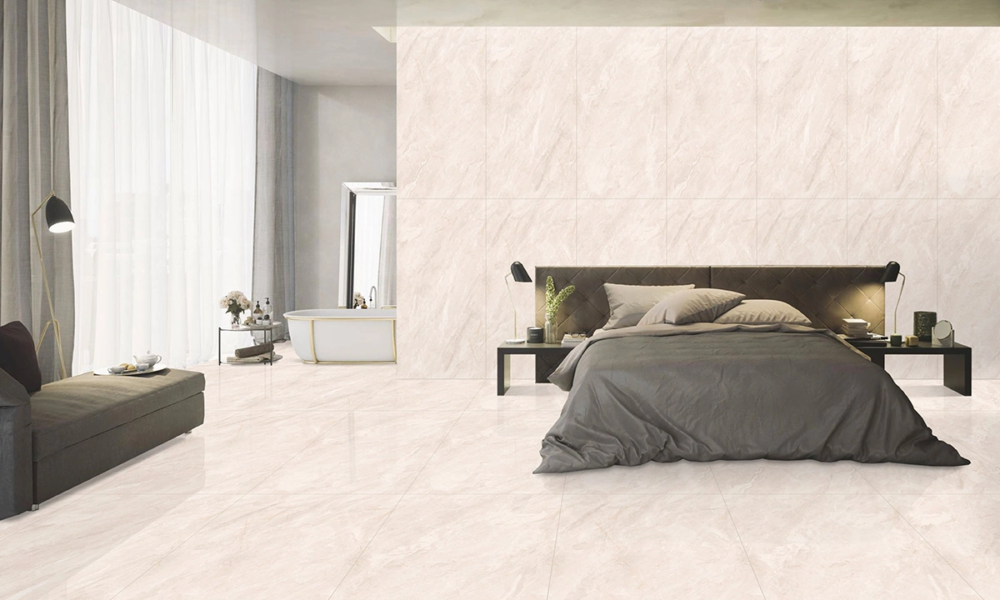
The washroom is no longer just a functional space; it has become a hub for modern textures and sophisticated tile designs. Today, the elegant finishes typically reserved for bathroom walls, like soft marbles and matte stones, are inspiring a new trend in bedroom flooring. By bringing these polished aesthetics into the bedroom, you can create a space that feels both calm and contemporary. Let’s explore how to use bathroom-inspired tile styles to redefine your bedroom floor design.
Why Bathroom Wall Tile Styles Work Beautifully on Bedroom Floors
Bathroom wall tiles are designed with aesthetics in mind. They focus on smooth finishes, subtle patterns, and refined colours that instantly make a space feel clean and balanced. These qualities also work exceptionally well for bedrooms, especially when you want a clutter-free, soothing environment.
Using bathroom-inspired tile styles for bedroom floors allows you to explore marble looks, soft stone textures, and modern matte finishes without overpowering the space. When adapted correctly, these styles enhance your bedroom floor tiles design by adding elegance while maintaining comfort.
Minimal Textures for a Calm Bedroom Floor
Many bathroom wall tiles come in gentle textures that reflect light softly. These are perfect for bedroom floors where harsh reflections or overly rough surfaces can disturb the relaxed mood. Subtle stone-inspired tiles or lightly textured surfaces create visual interest without making the room feel busy.
For example, marble-inspired tiles with soft veining bring a sense of luxury and calm. This style offers a refined look that suits both bathroom walls and bedroom floors, especially in modern homes that favour neutral tones.
Matte Finishes for Comfort and Style
Glossy finishes are common on bathroom walls, but matte bathroom wall tile designs are becoming increasingly popular. These matte styles translate beautifully into bedroom floors. They feel warm underfoot, reduce glare from lighting, and create a cosy atmosphere.
A matte stone look tile works well in bedrooms where you want a grounded, natural feel. It pairs easily with wooden furniture, soft fabrics, and warm lighting, making it ideal for contemporary and minimalist bedroom interiors.
Colour Inspiration from Bathroom Walls
Bathrooms often use timeless colours like white, beige, grey and soft earth tones. These shades are equally effective in bedrooms. Drawing colour inspiration from bathroom wall tiles helps maintain a calm and balanced visual flow.
Light coloured tiles make small bedrooms feel larger and more open, while deeper greys and warm beiges add depth and intimacy. A grey tile can give your bedroom floor a modern edge while keeping the space relaxed and uncluttered.
Large-Format Tiles for Seamless Bedroom Floors
One reason bathroom wall tiles look so elegant is the use of large-format designs with fewer grout lines. This concept works exceptionally well for bedroom floors, too. Large tiles create a seamless appearance, making the room feel spacious and organised.
When applied to bedroom floor tiles design, large-format tiles inspired by bathroom walls reduce visual breaks and enhance the flow of the room. This is especially effective in modern homes where simplicity and openness are key design goals.
Mixing Bathroom Wall Tile Looks with Bedroom Comfort
A bedroom should always feel inviting. When using bathroom wall tile ideas for bedroom floors, balance is essential. Pair sleek tiles with soft rugs near the bed, warm curtains, and layered lighting. This ensures the room feels comfortable rather than cold.
Stone-look or concrete-inspired bathroom tiles can be softened with textiles and natural elements. This mix creates a stylish contrast that feels intentional and welcoming.
Wood Look Tiles Inspired by Bathroom Design Trends
Bathrooms increasingly use wood-look tiles on walls to add warmth while maintaining durability. These same designs are perfect for bedroom floors. Wood look tiles offer the charm of timber without the maintenance concerns of real wood.
Using wood-inspired bathroom wall tile designs for bedroom floors creates a cosy, nature-inspired atmosphere. They work beautifully with neutral walls and minimal decor, giving the bedroom a timeless appeal.
Practical Benefits of Bathroom Style Tiles in Bedrooms
Bathroom wall tiles are designed for durability, moisture resistance, and easy maintenance. These qualities make them practical for bedroom floors as well. They are easy to clean, resist stains, and maintain their appearance over time.
For homes in humid climates, tiles inspired by bathroom walls can be a smart choice for bedrooms, as they handle temperature changes better than many traditional flooring options.
Creating a Design Story Across Your Home
Using bathroom wall tile ideas in bedroom floor styling helps create a cohesive design language throughout the home. When similar textures, colours, or finishes flow from bathrooms into bedrooms, the entire home feels thoughtfully designed.
This approach is especially effective in modern interiors where continuity and simplicity play a major role. With carefully chosen tiles, each room feels connected yet unique.
A Thoughtful Way to Redefine Bedroom Floors
Design ideas evolve when we allow inspiration to travel freely between spaces. Borrowing from bathroom wall designs to enhance bedroom floor tiles design is not about breaking rules but about redefining comfort and style in a thoughtful way.
Brands like Simpolo Tiles & Bathware offer a wide range of tile collections that enable this creative crossover, allowing homeowners to explore elegant surfaces that work beautifully across different spaces.
Conclusion
Design inspiration does not need to stay in one room. Sometimes, the calm elegance of a bathroom wall can quietly reshape the comfort of a bedroom floor. When textures are gentle, colours are balanced, and finishes are chosen with care, the result is a bedroom that feels fresh, stylish, and deeply personal. By reimagining familiar tile styles in new ways, your bedroom can become a space that reflects both creativity and calm, proving that good design often begins with a simple shift in perspective.