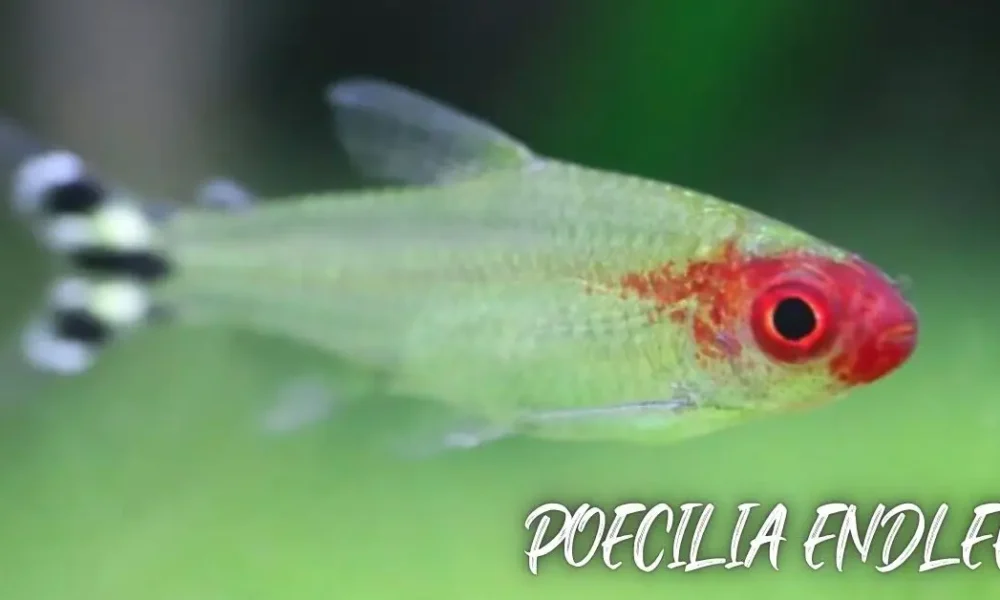
The world of aquarium fish is filled with vibrant colors, fascinating behaviors, and species that captivate aquarists of all levels. Among these, poecilia endler stands out as a small yet striking fish that continues to gain popularity. Known for its dazzling patterns and active personality, this species offers both beauty and ease of care. Whether you are a beginner or an experienced fish keeper, understanding this fish can transform your aquarium into a lively aquatic ecosystem. In this guide, you will explore everything from habitat requirements to breeding habits, ensuring you gain complete knowledge about this remarkable livebearer.
Origin and Natural Habitat of Poecilia Endler
The species Poecilia endler originates from the northeastern regions of South America, specifically Venezuela. It inhabits shallow freshwater pools, lagoons, and slow-moving streams where the water is warm and rich in nutrients. These natural habitats are often heavily vegetated, providing both shelter and abundant food sources such as algae, microorganisms, and small invertebrates.
In the wild, these fish thrive in slightly brackish or freshwater environments with stable temperatures and minimal water flow. The natural ecosystem is typically warm, with temperatures ranging from 24°C to 28°C. Their survival in such environments has contributed to their adaptability in home aquariums. Understanding their origin helps aquarists replicate similar conditions, which is crucial for maintaining their health and vibrant coloration.
Will You Check This Article: Kissanime: The Rise, Impact, and Evolution of Anime Streaming
Physical Appearance and Unique Coloration
The most striking feature of Poecilia Endler is its vivid and diverse coloration. Males are particularly colorful, often displaying bright orange, red, green, blue, and metallic hues arranged in intricate patterns. Females, on the other hand, are more subdued in color, usually exhibiting a silvery or translucent appearance with subtle markings.
This sexual dimorphism is a key trait that makes the species so appealing to aquarium enthusiasts. The males are not only smaller but also more active and visually vibrant, making them the centerpiece of any tank. Their shimmering bodies reflect light in mesmerizing ways, creating a dynamic visual experience.
Additionally, these fish have a streamlined body shape, which allows them to swim quickly and gracefully. Their fins are relatively small but well-defined, contributing to their agile movement. The combination of color and motion makes them a captivating species to observe in a well-maintained aquarium.
Aquarium Setup and Water Conditions for Poecilia Endler
Creating the ideal environment for Poecilia Endler requires careful attention to water parameters and tank setup. A minimum tank size of 10 gallons is recommended for a small group, although larger tanks are preferable for maintaining stable conditions. These fish thrive in a planted aquarium with plenty of hiding spots and swimming space.
Water conditions should mimic their natural habitat. The ideal temperature ranges from 22°C to 28°C, with a pH level between 6.5 and 8.0. They prefer moderately hard water, but they are adaptable to a wide range of conditions. A gentle filtration system is essential, as strong currents can stress these small fish.
Live plants such as Java moss, Amazon sword, and floating plants not only provide shelter but also help maintain water quality. Regular water changes and proper filtration are crucial to prevent ammonia and nitrate buildup, ensuring a healthy environment for these active swimmers.
Diet and Feeding Habits of Poecilia Endler
Poecilia Endler are omnivorous and have a diverse diet in both natural and captive environments. In the wild, they feed on algae, plankton, and small aquatic organisms. In aquariums, they accept a wide variety of foods, making them easy to feed and maintain.
A balanced diet for these fish should include high-quality flakes, micro pellets, and live or frozen foods such as brine shrimp, daphnia, and bloodworms. Providing a varied diet enhances their coloration and boosts overall health. Feeding small portions multiple times a day is recommended, as it mimics their natural grazing behavior.
Vegetable matter is also important for their digestive system. Including spirulina-based foods or blanched vegetables such as spinach or zucchini can improve their nutrition. Proper feeding ensures not only growth but also vibrant coloration and reproductive health.
Behavior, Temperament, and Social Interaction
One of the most appealing aspects of Poecilia Endler is their peaceful and lively nature. They are schooling fish and should be kept in groups to reduce stress and encourage natural behavior. Males are often seen displaying their colors and chasing each other in playful interactions.
Despite their active nature, they are non-aggressive and can coexist with other peaceful fish species. However, due to their small size, they should not be housed with aggressive or larger fish that might see them as prey. Their constant movement adds energy and life to the aquarium.
Social interaction is essential for their well-being. Keeping a balanced ratio of males to females helps prevent excessive competition and stress. A harmonious group enhances both their behavior and visual appeal, making them a joy to observe daily.
Breeding and Reproduction Process
Poecilia Endler are prolific livebearers, meaning they give birth to free-swimming fry rather than laying eggs. This makes breeding relatively simple, even for beginners. A single female can produce multiple batches of fry from a single mating, as they can store sperm for future use.
To encourage breeding, maintain optimal water conditions and provide a nutritious diet. A separate breeding tank is often used to protect the fry from being eaten by adult fish. Females give birth to fully formed young that are capable of swimming and feeding immediately.
The fry should be provided with fine food such as powdered flakes, infusoria, or specially formulated fry food. With proper care, the young grow quickly and reach maturity within a few months. This rapid growth rate makes Poecilia Endler an excellent species for aquarists interested in breeding projects.
Common Health Issues and Maintenance Tips
While Poecilia Endler are generally hardy, they can still be affected by common aquarium diseases if proper care is not maintained. Issues such as ich, fin rot, and fungal infections may occur due to poor water quality or stress.
Maintaining clean water is the most effective way to prevent disease. Regular water changes, proper filtration, and avoiding overcrowding are essential. Observing the fish daily helps in early detection of any unusual behavior or physical changes.
Quarantine new fish before introducing them to the main tank to prevent disease transmission. Additionally, maintaining a stable temperature and avoiding sudden changes in water parameters can significantly improve their health and longevity.
Conclusion
Poecilia Endler is an exceptional choice for both beginners and experienced aquarists due to its vibrant appearance, peaceful temperament, and ease of care. Its adaptability to various water conditions and simple dietary needs make it a low-maintenance yet visually rewarding species.
The species offers more than just aesthetic appeal; it brings life, movement, and dynamic social behavior to any aquarium. With proper care, they can thrive, breed easily, and live a healthy life. Incorporating Poecilia Endler into your aquarium setup ensures a colorful, engaging, and rewarding aquatic experience that continues to captivate fish enthusiasts worldwide.
Read More: Parkmagazineny.co.uk
Leave a Reply