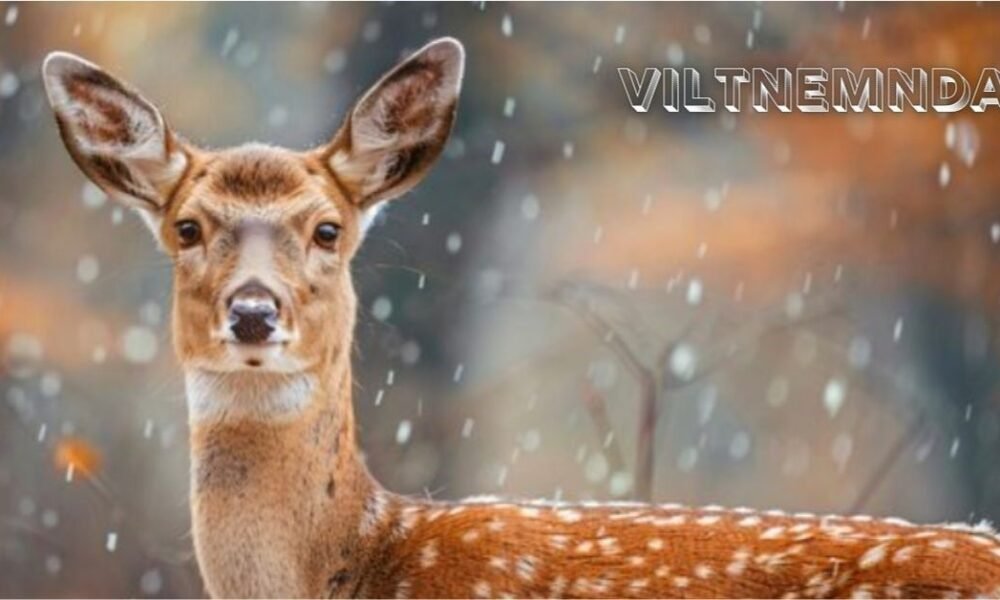
If you spend time exploring Norway’s forests, mountains, and rural landscapes, you’ll eventually hear about viltnemnda. This local wildlife committee plays an important role in managing animals and maintaining balance between nature and human activity. From setting hunting quotas to responding to wildlife accidents, it quietly supports Norway’s conservation system. Understanding how it works helps explain why the country is known for responsible environmental management. Behind the scenes, local expertise and community involvement drive many of the decisions that shape wildlife protection and public safety across municipalities.
Understanding the Concept of Viltnemnda
The idea behind a wildlife committee may sound simple, yet it reflects a broader philosophy about environmental responsibility. In Norway, wildlife management is not handled only by national authorities. Instead, municipalities share the responsibility through local bodies such as viltnemnda, which ensures decisions reflect real conditions in each region. This decentralized approach allows communities to respond quickly to issues affecting animals and residents alike.
At its core, the committee focuses on maintaining ecological balance. Wild animals move across forests, farmland, and residential areas, and these interactions sometimes lead to conflicts. By monitoring populations and applying regulations, local authorities help prevent overpopulation, habitat damage, or unsafe encounters with people. Their decisions are based on environmental data as well as practical knowledge from people who know the land.
The concept also reflects Norway’s cultural connection to nature. Hunting, forestry, and outdoor recreation are long-standing traditions, and responsible management protects these activities for future generations. Through community participation and transparent decision-making, the wildlife committee acts as a bridge between national environmental goals and everyday life in rural and urban municipalities.
Will You Check This Article: uffufucu6: A Practical Guide to Understanding Its Value
Historical Background of Wildlife Governance in Norway
Norway’s modern wildlife governance developed gradually as society recognized the need for sustainable use of natural resources. Earlier centuries relied heavily on hunting for food and survival, which sometimes resulted in declining animal populations. Over time, national laws introduced structured rules to protect species and maintain ecological balance. These legal frameworks eventually shaped how local wildlife management operates today.
During the twentieth century, environmental awareness grew alongside scientific understanding of ecosystems. Authorities realized that centralized policies alone could not address the diverse wildlife challenges found across Norway’s landscapes. Mountain regions, coastal areas, and forest communities each face different ecological pressures. Creating local committees allowed decision-makers to consider regional conditions while still following national conservation policies.
This shift toward localized governance helped strengthen cooperation between citizens and authorities. Hunters, farmers, and environmental experts could contribute their knowledge directly to wildlife planning. By involving communities in the process, the system improved compliance with regulations and fostered a shared sense of responsibility for protecting the country’s natural heritage.
How Viltnemnda Functions at the Municipal Level
Each municipality appoints members to oversee wildlife management tasks and ensure policies are implemented effectively. These individuals often have experience in hunting, agriculture, biology, or local governance, which gives them practical insight into wildlife behavior and environmental conditions. Their combined expertise helps create balanced decisions that consider both conservation needs and community concerns.
Regular meetings allow the committee to review wildlife reports, population data, and community feedback. When issues arise, such as animal damage to crops or safety concerns near populated areas, members discuss possible solutions. Decisions may involve adjusting hunting quotas, recommending protective measures, or coordinating with authorities responsible for environmental protection.
Local structure is essential because wildlife management cannot rely on one universal approach. A coastal municipality may focus on seabirds or marine species, while inland regions may manage populations of deer or moose. The committee’s flexibility allows it to adapt to these differences while still following the national legal framework that guides conservation efforts throughout Norway.
Core Responsibilities of Viltnemnda in Wildlife Management
The responsibilities of viltnemnda extend across many areas of wildlife management, from monitoring animal populations to coordinating emergency responses. One of the most visible duties involves regulating hunting activities. By setting quotas and overseeing compliance with national laws, the committee ensures hunting remains sustainable and ethical while supporting ecosystem balance.
Another important responsibility involves handling wildlife incidents, especially when animals are injured or killed in road collisions. Authorities often rely on trained local teams connected to the committee to track injured animals and prevent unnecessary suffering. Norway records thousands of wildlife-vehicle incidents every year, making quick response and accurate reporting essential for both animal welfare and public safety.
The committee also mediates conflicts between humans and wildlife. Farmers may experience crop damage from animals, while residents might encounter wildlife near homes or roads. By assessing each situation carefully, members determine whether relocation, protective measures, or population management strategies are needed to restore balance without harming biodiversity.
The Importance of Local Expertise in Decision-Making
Local knowledge plays a major role in effective wildlife governance. Committee members often live in the same communities where wildlife issues occur, which means they understand seasonal changes, migration patterns, and the impact of human activity on natural habitats. This firsthand experience allows them to interpret environmental data in ways that purely national systems might overlook.
Community involvement also strengthens trust between authorities and residents. When decisions about wildlife come from people familiar with the region, citizens are more likely to respect regulations and cooperate with conservation measures. Hunters, landowners, and outdoor enthusiasts recognize that their perspectives are represented during discussions about wildlife management.
Another benefit of local expertise is faster response during emergencies. Wildlife accidents or sudden population changes require immediate attention, and nearby teams can act quickly. Their presence ensures that issues affecting animals and communities are handled efficiently while still respecting environmental laws and ethical guidelines.
Challenges Facing Wildlife Committees Today
Despite its strengths, the wildlife management system faces several challenges in the modern world. Environmental change, expanding urban development, and shifting animal migration patterns all create new pressures on ecosystems. Committees must adapt their strategies constantly to address these evolving conditions while still maintaining ecological balance.
Public expectations also play a role in shaping wildlife policies. Some citizens prioritize conservation above all else, while others focus on agricultural protection or road safety. Balancing these perspectives can be difficult, especially when decisions involve population control measures that affect local wildlife species.
Technological change and scientific research bring both opportunities and responsibilities. Data tracking, wildlife monitoring tools, and environmental modeling improve decision-making, yet they also require training and resources. Local committees must remain informed about modern conservation methods while preserving the practical knowledge that has guided wildlife management for decades.
The Role of Community Cooperation in Wildlife Conservation
Successful wildlife management depends heavily on cooperation between authorities and the public. Residents contribute valuable information by reporting animal sightings, accidents, or environmental changes. This feedback helps committees understand how wildlife populations move across different areas and how human activity affects natural habitats.
Hunters and landowners also play an important role in maintaining balance within ecosystems. Ethical hunting practices, guided by regulations and population data, help prevent overpopulation and protect forests from ecological damage. At the same time, conservation groups and environmental organizations provide research that supports responsible decision-making.
Education and awareness further strengthen cooperation between communities and wildlife authorities. When people understand how wildlife management works, they are more likely to respect safety guidelines and conservation policies. This shared understanding helps ensure that wildlife protection remains a collective effort rather than a responsibility placed solely on government institutions.
Conclusion
Norway’s approach to wildlife governance demonstrates how local participation can strengthen conservation efforts. Through systems like viltnemnda, communities actively contribute to protecting biodiversity while addressing practical concerns such as road safety and agricultural damage. This balance between environmental protection and human activity reflects a broader philosophy of sustainable coexistence.
The effectiveness of the system comes from combining scientific knowledge, local expertise, and community cooperation. Decisions are not made in isolation but shaped by real-world experience and environmental data. This approach allows wildlife management to remain flexible while still aligned with national conservation policies.
Understanding how viltnemnda works reveals why Norway continues to maintain healthy wildlife populations and well-managed ecosystems. The committee may operate quietly behind the scenes, yet its influence is visible in the country’s thriving natural landscapes and the responsible way people interact with the environment.
Read More: Parkmagazineny.co.uk