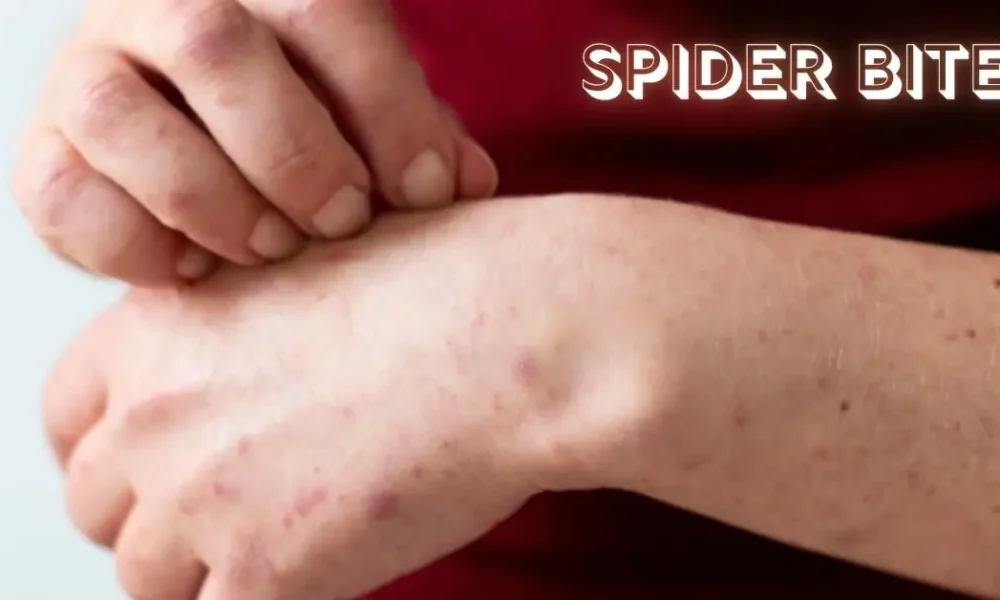
A spider bite can often appear harmless at first, showing only a small red mark or mild irritation on the skin, but in some cases, it may develop into a serious medical concern requiring immediate attention. Many people underestimate the risks associated with arachnid encounters, assuming all spiders are dangerous or, conversely, that all bites are harmless. The reality lies somewhere in between, depending on the species and the body’s reaction to venom.
Understanding how a spider bite occurs, what symptoms to look for, and when to seek medical help is essential for safety in both urban and rural environments. While most spider bites heal without complications, certain species can cause severe tissue damage or systemic reactions. This guide explores everything from identification to treatment and prevention, helping you stay informed and prepared for any unexpected encounter.
Understanding Spider Bite and How It Happens
A spider bite typically occurs when a spider feels threatened or trapped against human skin. Most spiders do not actively seek humans as prey; instead, bites are defensive reactions. When pressure is applied—such as putting on clothing where a spider is hiding—it may inject venom as a survival mechanism. This is why many incidents happen indoors, especially in dark, undisturbed areas like closets or basements.
In many cases, a spider bite goes unnoticed initially because the sensation is mild, similar to a pinprick. However, the body’s immune response to venom can gradually trigger redness, swelling, and irritation. The severity depends on the species involved, the amount of venom injected, and the individual’s sensitivity. While most bites remain localized, some can escalate into more serious conditions requiring medical evaluation.
Spider behavior plays a crucial role in bite incidents. Common house spiders are generally harmless, but certain species may produce medically significant venom. Understanding these behaviors helps reduce fear and encourages rational responses rather than panic when a spider bite occurs. Awareness is the first step in prevention and effective treatment.
Will You Check This Article: Liberation Day Meaning, History and Global Impact Explained
Common Types of Spiders Causing Envenomation
Not all spiders are dangerous, but a few species are known for medically significant bites. Among the most well-known is the black widow, recognized by its shiny black body and red hourglass marking. Its venom affects the nervous system and may cause muscle pain, cramps, and systemic symptoms. Although rarely fatal, a bite from this spider requires medical attention.
Another notable species is the brown recluse, often associated with tissue-damaging bites. Its venom contains enzymes that can lead to skin necrosis in some cases, resulting in slow-healing wounds. However, confirmed bites are less common than reported, as misdiagnosis frequently occurs. Still, when a true spider bite from this species happens, symptoms can progress over days.
House spiders and wolf spiders are far more common but generally less dangerous. Their bites may cause mild irritation or localized swelling but rarely lead to severe complications. Understanding the difference between harmful and harmless spiders helps reduce unnecessary panic and promotes appropriate response strategies when a spider bite is suspected.
Symptoms and Early Warning Signs
The symptoms of a spider bite can vary widely depending on the species and individual reaction. Initially, there may be a small puncture mark, redness, or slight swelling. Some people may experience itching or a burning sensation at the site. These early signs often resemble other insect bites, making identification challenging without additional context.
As time progresses, more noticeable symptoms may appear in certain cases. These can include increased pain, spreading redness, blister formation, or localized warmth around the affected area. In venomous cases, systemic symptoms such as fever, chills, nausea, or muscle cramps may develop. Recognizing these warning signs early is crucial in preventing complications.
It is also important to monitor the progression of symptoms over time. A spider bite that worsens rapidly or shows signs of tissue damage should never be ignored. Even when the bite appears minor, unusual changes in skin appearance or general health should prompt medical consultation to rule out serious envenomation.
Spider Bite First Aid and Immediate Response
Immediate care after a spider bite can significantly reduce complications and discomfort. The first step is to clean the affected area with soap and water to minimize the risk of infection. Applying a cold compress can help reduce swelling and numb pain. It is important to avoid scratching, as this can worsen irritation and increase infection risk.
Elevating the affected limb may also help reduce swelling. Over-the-counter pain relievers can be used to manage discomfort if needed. If possible, safely capturing or photographing the spider can assist healthcare providers in identifying the species and determining appropriate treatment. However, this should never be attempted if it poses additional risk.
In more severe cases of spider bite, such as when symptoms escalate quickly or systemic effects appear, seeking immediate medical attention is essential. Antivenom or other medical interventions may be required depending on the species involved. Prompt action ensures better recovery outcomes and reduces the likelihood of long-term complications.
Medical Treatment and Diagnosis Procedures
When a spider bite is brought to medical attention, diagnosis often begins with a physical examination and patient history. Doctors may ask about the environment where the bite occurred, symptoms experienced, and timing of progression. In many cases, diagnosis is based on clinical presentation rather than direct identification of the spider.
Treatment varies depending on severity. Mild cases may only require wound care, antihistamines, or pain management. More serious spider bite cases involving venomous species may require muscle relaxants, intravenous fluids, or specialized medications. In rare situations, hospitalization is necessary for monitoring systemic reactions.
One challenge in treatment is the frequent misidentification of spider bites, as many skin conditions mimic similar symptoms. Therefore, medical professionals rely on symptom patterns and progression rather than assumptions. Accurate diagnosis ensures that patients receive appropriate care without unnecessary or incorrect treatments.
Complications and Long-Term Effects
Although most spider bite incidents heal without lasting effects, complications can occur in some cases. Secondary infections are among the most common issues, especially if the wound is scratched or not properly cleaned. These infections can delay healing and require antibiotic treatment.
In more severe cases, particularly with venomous species, tissue damage may occur. Necrotic lesions can develop, leading to scarring or prolonged healing times. Emotional distress is also a factor, as individuals may develop heightened fear or anxiety after experiencing a painful bite.
Rare systemic complications include allergic reactions or severe inflammatory responses. While uncommon, these situations highlight the importance of timely medical intervention. Proper wound care and monitoring significantly reduce the risk of long-term consequences following a spider bite.
Prevention Strategies for Homes and Outdoors
Preventing a spider bite begins with reducing spider habitats around living spaces. Regular cleaning, decluttering, and sealing cracks in walls or windows can help minimize spider entry. Storage areas such as garages and basements should be kept organized and free of unnecessary debris.
When spending time outdoors, especially in areas with high vegetation or wood piles, wearing protective clothing can reduce exposure. Gloves and long sleeves are particularly useful when handling materials where spiders may hide. Shaking out shoes and clothing before use is also a simple but effective precaution.
In regions where venomous spiders are more common, awareness becomes even more important. Educating household members about identification and safe practices ensures a lower risk of encountering a spider bite. Prevention remains the most effective strategy for avoiding complications altogether.
Conclusion
A spider bite can range from a minor irritation to a medically significant condition depending on the species and individual response. While most cases are harmless and resolve on their own, understanding symptoms, first aid, and treatment options is crucial for safety. Awareness helps reduce fear and encourages informed action rather than panic.
By recognizing early warning signs and applying proper care, complications can be minimized effectively. Prevention strategies also play a vital role in reducing the likelihood of encounters. Ultimately, staying informed about spider bite risks empowers individuals to respond confidently and responsibly in any situation.
Read More: Dollartimes.co.uk