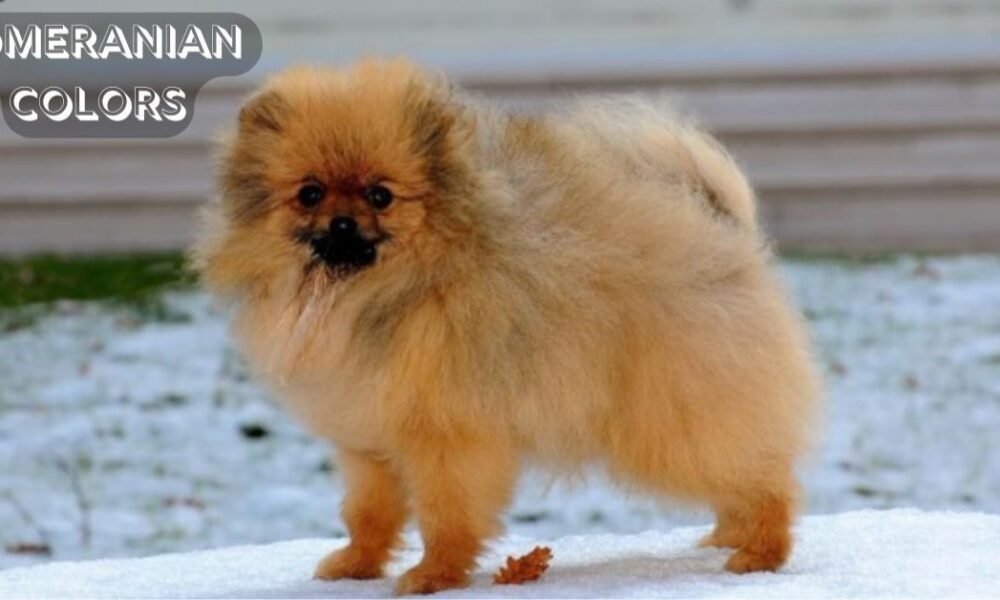
Pomeranians have always attracted attention because of their lively personality and their thick, fluffy coats. One of the most fascinating things about these tiny dogs is the wide range of pomeranian colors that exist. From deep black to creamy white and vibrant orange, their coats can look dramatically different from one dog to another. Many new dog owners are surprised to learn that coat shades can even change as the puppy grows. Understanding these variations helps people appreciate the breed more and choose a companion that truly matches their preference.
The Unique Appeal of Pomeranian Coat Colors
The popularity of this small spitz breed is strongly tied to its beautiful fur. Pomeranians have a double coat that creates a thick, plush appearance, making their color look richer and more noticeable. When sunlight hits their coat, the texture of the fur adds depth and brightness to every shade.
Many dog lovers notice that these dogs look almost like tiny lions or foxes because of their fluffy mane and expressive faces. Color plays a big role in that impression. A deep orange coat may give a fox-like look, while a pure white dog appears elegant and cloud-like. These visual differences make each Pomeranian feel unique.
Another reason people admire the variety of pomeranian colors is the element of surprise. Puppies sometimes change color as they mature, which keeps owners curious about how their dog will look in adulthood. This natural transformation adds an extra layer of excitement for breeders and pet families alike.
Will You Check This Article: Phyllis Minkoff: Career, Influence, and Creative Legacy
How Genetics Influence Pomeranian Colors
The coat color of any dog is controlled by genetics, and Pomeranians are no exception. Each puppy receives color genes from both parents, which determine the shade, intensity, and pattern of its fur. Sometimes these combinations produce predictable results, while in other cases they create rare or unexpected colors.
Breeders often study bloodlines carefully to understand what colors might appear in a litter. If both parents carry the gene for a certain shade, the chances of that color appearing increase. However, hidden recessive genes can still create surprises even in well-planned breeding programs.
Understanding genetic influence helps explain why the list of pomeranian colors is so extensive. Over generations, selective breeding has preserved dozens of shades and patterns. This variety is one reason the breed continues to capture the attention of dog enthusiasts around the world.
Most Popular Pomeranian Colors
Among all coat variations, a few shades remain especially popular with pet owners. Orange is perhaps the most iconic color associated with the breed. Many people imagine a fluffy orange dog when they picture a Pomeranian because this shade has appeared in countless photos and advertisements.
Black is another well-known choice. A solid black coat creates a striking contrast against the dog’s bright eyes and small features. When properly groomed, the glossy fur reflects light beautifully and gives the dog a polished appearance.
Cream and white are also highly admired shades. These lighter coats often make the dog appear soft and delicate. Owners who prefer a gentle and elegant look often choose these tones, which highlight the breed’s fluffy silhouette in a subtle and charming way.
Rare and Unusual Coat Shades
While common shades dominate the breed, some colors are considered rare and therefore highly sought after. Blue Pomeranians, for example, have a smoky gray tone that can look almost metallic under bright light. This color comes from a dilution gene that softens the black pigment.
Chocolate is another uncommon shade that stands out because of its rich brown hue. Dogs with this coat often have lighter eyes or noses that complement the color beautifully. These features make them instantly recognizable among other dogs.
Lavender and merle patterns also appear occasionally. These unusual shades add dramatic patterns or soft pastel tones to the coat. Because they are harder to produce, they often attract attention from collectors and enthusiasts who appreciate distinctive appearances.
Understanding Patterns in Pomeranian Colors
Not all coats are solid. Many dogs display patterns that combine multiple shades in creative ways. One common pattern is sable, where each hair has a lighter base and a darker tip. This creates a shaded look that adds depth to the fur.
Another pattern seen in the breed is parti color. In this case, the coat contains large patches of two or more colors, usually with a white base. The contrast between the shades creates a playful and eye-catching appearance that many people love.
Merle patterns, although less common, introduce a marbled effect across the coat. These patterns often combine light and dark areas in irregular shapes. While beautiful, responsible breeding is important to ensure the health of dogs carrying this gene.
Do Pomeranian Puppies Change Color?
One of the most interesting aspects of the breed is that puppies often look different as they grow. Many young dogs are born with darker coats that gradually lighten during the first year of life. This change can surprise owners who expect the original color to remain the same.
The transformation usually happens because the puppy coat is replaced by an adult coat with different pigmentation. As the new fur grows, the shade may shift dramatically. A dark puppy might turn cream, orange, or even sable over time.
Experienced breeders sometimes examine the color behind a puppy’s ears to predict future changes. Although this method is not perfect, it can give a rough idea of how the dog’s coat might develop in adulthood.
Grooming and Caring for Different Coat Shades
Proper grooming keeps any coat healthy, but it can also highlight the beauty of certain shades. Regular brushing helps maintain the thick double coat and prevents tangles that can dull the appearance of the fur.
Light-colored dogs often require extra care because dirt or staining can become visible more easily. Gentle shampoos and regular cleaning help keep these coats bright and fresh without damaging the natural oils in the fur.
Darker coats, on the other hand, benefit from brushing that enhances shine and removes loose hair. When maintained properly, the color appears deeper and more vibrant. Grooming routines therefore play an important role in preserving the beauty of the coat.
Conclusion
The incredible range of pomeranian colors is one of the reasons this tiny dog continues to capture hearts around the world. From classic orange and white to rare shades like blue or chocolate, each coat variation adds its own personality and charm. Understanding how genetics, patterns, and age influence these colors helps owners appreciate their pet even more. Whether someone prefers a bold shade or a soft cream tone, every Pomeranian carries a unique coat that reflects the beauty and diversity of this beloved breed.
Read More: Parkmagazine.co.uk