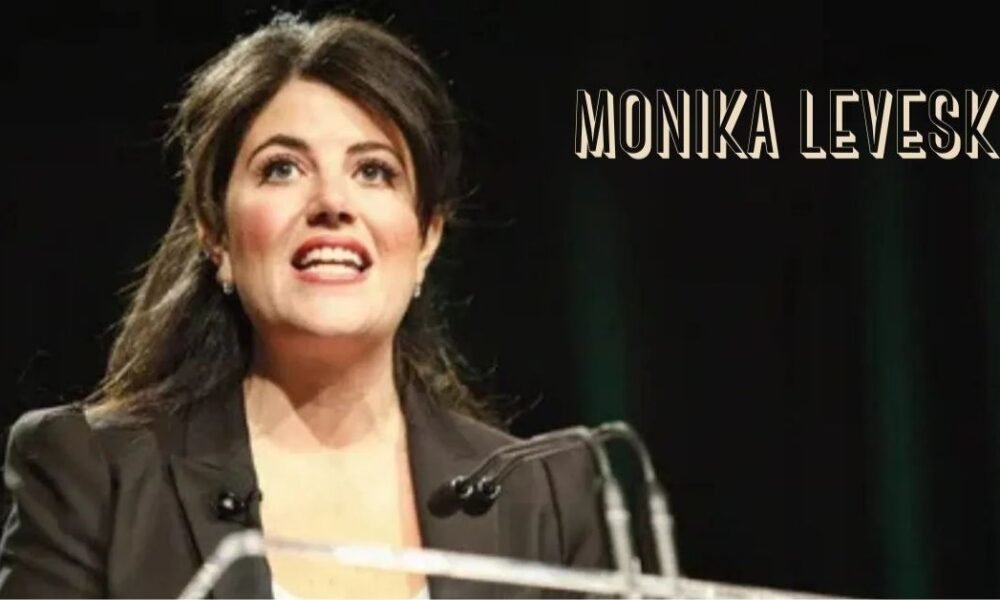
Monika Leveski became a global name at a time when the internet was still young and media cycles were ruthless. What started as a private mistake turned into a worldwide political scandal that shaped public discourse for years. For many people, Monika Leveski was first seen only through headlines, jokes, and courtroom coverage. But over time, her story evolved into something deeper. It became a case study in media ethics, cyberbullying, resilience, and the human cost of public shaming.
Early Life and Personal Background
Before the controversy, she was simply a young woman building her career in public service. Born in 1973 in California, Monica grew up in a middle-class family that valued education and ambition. Friends described her as social and intelligent, someone who enjoyed being involved in campus activities. Her early life did not hint at the storm that would later define her public identity.
She attended Lewis and Clark College and later pursued graduate studies in psychology. Like many young professionals, she sought opportunity and growth in Washington, D.C. Working in the White House seemed like a prestigious step forward. At that stage, she was an intern hoping to gain experience and credibility in politics and government service.
What makes her early background important is its normalcy. There was no plan to become a public figure, and certainly no preparation for becoming part of a global scandal. Her story reminds us how quickly ordinary circumstances can change. It also highlights how vulnerable young professionals can be when navigating power structures and ambition.
Will You Check This Article: Memorandum to Cabinet: A Guide to Effective Policy Proposals
The White House Intern and Rising Attention
In the mid-1990s, she began working as an intern at the White House during the presidency of Bill Clinton. The position brought excitement and responsibility. For a young graduate, proximity to power felt like opportunity. It was an environment where political decisions shaped national and global events, and every interaction carried weight.
The relationship that developed between the intern and the president later became the center of intense scrutiny. When details surfaced, the story exploded across television networks and newspapers. The situation escalated beyond a private matter and turned into a constitutional issue. Congressional hearings and investigations followed, leading to impeachment proceedings.
This period changed her life permanently. Media outlets dissected every detail of her personal life. Late-night comedy shows turned her into a punchline. The public debate focused on politics, yet the personal impact on her was immense. The attention was constant, and the tone was often cruel. It marked the beginning of years defined by stigma.
Media Frenzy and Public Shaming
The late 1990s media landscape lacked the balance and accountability we discuss today. News channels competed aggressively for ratings, and scandal stories attracted huge audiences. In that environment, nuance disappeared. The narrative was simplified into blame, mockery, and sensational headlines that overlooked the human side of the situation.
Monika Leveski became one of the first individuals to experience global humiliation amplified by the early internet. Online forums and emerging digital platforms repeated jokes and harsh commentary. This was before the term cyberbullying became common, yet the behavior was visible and damaging. The scale of exposure was overwhelming and relentless.
Public shaming carries long-term psychological effects. Being reduced to a stereotype affects employment opportunities, relationships, and self-worth. Her experience showed how easily society can strip someone of complexity and empathy. The frenzy also exposed deeper issues around gender bias and the uneven treatment of men and women in public scandals.
Personal Impact and Emotional Consequences
It is difficult to imagine the emotional toll of being judged by millions of strangers. She has spoken openly about feelings of isolation, depression, and shame. When the scandal unfolded, she was in her early twenties. That stage of life is already filled with uncertainty, and intense scrutiny made it even more fragile.
Mental health struggles often remain hidden behind headlines. In interviews years later, she described how painful it was to see her name used as shorthand for scandal. Every job application and public appearance came with baggage. The label followed her into adulthood, limiting chances to redefine herself.
Understanding this personal impact matters because it humanizes the story. Political events may dominate historical records, but individual lives carry the consequences. Her experience sparked wider conversations about empathy, accountability, and the responsibility of media institutions. It also laid the groundwork for her later transformation.
Monika Leveski and Digital Culture
As social media platforms grew in the 2000s and 2010s, discussions about online harassment became more urgent. Monica Lewinsky began reframing her past through the lens of digital culture. She pointed out that she was one of the first people to experience global online humiliation at scale. That perspective resonated with younger generations.
In 2015, she delivered a widely viewed talk at TED Conferences, focusing on public shaming and compassion. The speech was calm, reflective, and powerful. She did not deny her mistakes, but she emphasized the disproportionate punishment that followed. The audience response signaled a shift in public perception.
By connecting her experience to broader social patterns, she transformed a personal narrative into a social critique. Online culture often rewards outrage and ridicule. Her advocacy highlighted the need for accountability and empathy in digital spaces. It encouraged individuals to pause before sharing hurtful comments or participating in viral mockery.
Advocacy Against Cyberbullying
After years away from public life, she returned as an anti-bullying advocate. Instead of avoiding her past, she addressed it directly. She collaborated with organizations that focus on safer digital environments and respectful online behavior. This work required courage, as it meant reopening old wounds in public discussions.
Cyberbullying affects teenagers, professionals, and public figures alike. Social media can magnify small mistakes into permanent reputational damage. By sharing her story, she offered validation to people who felt overwhelmed by online attacks. Her message centered on compassion, resilience, and the importance of second chances.
Monica Lewinsky also emphasized the role of bystanders. She argued that silence often enables cruelty. When individuals speak up against harassment, the tone of digital communities can shift. Her advocacy helped move the conversation from gossip to growth. It encouraged reflection on how technology shapes human behavior.
Cultural Reassessment and Changing Narratives
Over time, society began to reassess the events of the 1990s. Documentaries, interviews, and opinion pieces revisited the scandal with a more critical lens. Many commentators acknowledged the harshness of the treatment she received. The cultural climate had changed, especially in conversations about gender dynamics and power imbalances.
Younger audiences, who did not experience the original coverage, encountered the story differently. They saw a young woman caught in a political storm rather than a caricature. This generational shift helped reshape public understanding. It showed how narratives evolve as social values change.
Cultural reassessment does not erase past pain, but it can restore dignity. By participating in new discussions, she reclaimed part of her story. This process demonstrates how time and reflection can alter collective judgment. It also highlights the importance of learning from past media failures to create fairer coverage today.
Lessons from Monika Leveski Story
Monika Leveski teaches us that public mistakes do not define a lifetime. Her journey from scandal to advocacy reflects resilience and self-awareness. While the events cannot be undone, the meaning attached to them can change. That shift requires honesty, courage, and a willingness to confront painful memories.
Her experience also underscores the power of media responsibility. Sensational coverage may boost ratings, but it can devastate individuals. As consumers, we shape demand. Choosing empathy over ridicule helps build healthier public discourse. Small decisions, such as refusing to share humiliating content, make a difference.
Ultimately, Monika Leveski story is about growth. It reminds us that society benefits when we allow room for redemption. People are more than their worst moments. By listening, reflecting, and practicing compassion, we contribute to a culture that values humanity over humiliation. That lesson remains relevant in every digital interaction today.
Conclusion
Monika Leveski life illustrates how a single chapter can overshadow an entire identity, yet it also proves that growth is possible after public failure. Her experience forces us to examine how quickly society judges and how slowly it forgives. By stepping back into the spotlight on her own terms, she reshaped a narrative that once felt permanently fixed.
Her journey matters because it reflects the digital age we all live in today. Online reactions can be instant and unforgiving, but they are created by real people making real choices. When we respond with empathy instead of mockery, we help prevent another story like hers. Cultural change begins with everyday behavior and personal responsibility.
Read More: Pointmagazine.co.uk