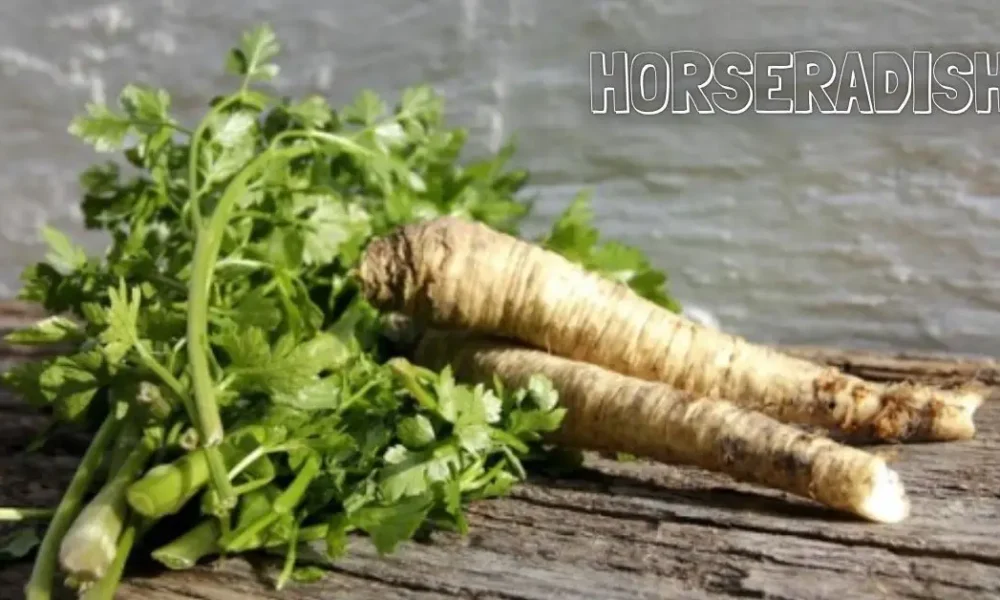
Horseradish has long been celebrated as one of the most pungent and flavorful roots used in culinary and medicinal traditions around the world. Known for its sharp, sinus-clearing heat, it adds a unique kick to sauces, meats, and condiments that few other ingredients can replicate. Beyond its taste, it carries a rich cultural history that stretches back thousands of years across Europe and Asia. From ancient remedies to modern gourmet cuisine, this root has maintained its reputation as both a flavor enhancer and a natural health booster. Today, horseradish continues to intrigue chefs, herbalists, and food enthusiasts alike for its bold character and versatility in everyday cooking and wellness practices.
Horseradish Origins and Botanical Profile
The history of horseradish traces back to ancient civilizations where it was valued for both culinary and therapeutic uses. Native to southeastern Europe and western Asia, horseradish was cultivated by the Greeks and Egyptians long before it became popular in medieval Europe. Its botanical name, Armoracia rusticana, reflects its hardy nature and ability to thrive in diverse environments. The plant belongs to the Brassicaceae family, which also includes mustard, cabbage, and wasabi, explaining its naturally sharp flavor profile.
Horseradish is a perennial plant that grows from thick, white roots that are harvested for consumption. Its leaves are large, green, and somewhat coarse, but it is the root that holds the real value. When freshly grated, horseradish releases volatile compounds that create its signature heat and aroma. Interestingly, the intensity of horseradish increases when it is cut or crushed, making it a unique ingredient that transforms instantly upon preparation. Its botanical resilience and strong chemical composition have contributed to its widespread cultivation across continents.
Will You Check This Article: Busch Apple Beer Guide: Taste, Craft & Seasonal Appeal
Cultivation and Growing Conditions
Growing horseradish requires relatively simple agricultural conditions, which is one reason it has spread widely across the world. It thrives in temperate climates with well-drained soil and moderate sunlight. Farmers often plant horseradish from root cuttings rather than seeds, ensuring consistent quality and growth patterns. Once established, the plant becomes highly resilient and can even spread aggressively if not managed properly.
The cultivation cycle of horseradish typically spans one growing season before harvest, although some growers allow roots to mature for stronger flavor development. Soil preparation is crucial, as compacted soil can restrict root expansion and reduce yield quality. Regular watering and weed control also play a significant role in successful cultivation. Despite its hardy nature, horseradish benefits from careful handling during harvest to preserve the integrity of the root, which directly influences its pungency and market value.
Nutritional Composition of Horseradish
Horseradish is more than just a spicy condiment; it contains a variety of nutrients and bioactive compounds that contribute to its health benefits. It is low in calories yet rich in vitamins such as vitamin C, which supports immune health and antioxidant protection. It also contains small amounts of calcium, potassium, magnesium, and dietary fiber, making it a nutritionally valuable addition to meals.
One of the most important components of horseradish is glucosinolate compounds, which are responsible for its sharp flavor and potential health properties. When the root is cut or grated, these compounds break down into isothiocyanates, which are known for their antimicrobial and anti-inflammatory effects. This chemical reaction not only defines the sensory experience of horseradish but also contributes to its traditional use in natural medicine. The nutritional profile of horseradish highlights its dual role as both a culinary enhancer and a functional food.
Horseradish in Culinary Traditions
Across global cuisines, horseradish has earned a respected place as a bold and versatile ingredient. In European cooking, it is commonly paired with roast beef, smoked fish, and sausages, where its sharp heat balances rich and fatty flavors. In Eastern European cuisine, it is often used in sauces and pickled preparations that accompany meats and traditional dishes. The distinctive pungency of horseradish makes it a staple in many cultural food practices.
In modern gastronomy, horseradish is frequently incorporated into creamy sauces, dressings, and dips. Chefs appreciate its ability to enhance flavor complexity without overwhelming a dish when used in moderation. It is also a key ingredient in cocktail sauces served with seafood, particularly shrimp and oysters. The adaptability of horseradish ensures its continued relevance in both traditional and contemporary kitchens, making it a timeless culinary asset that bridges cultural and culinary boundaries.
Medicinal Uses and Health Benefits
For centuries, horseradish has been used in traditional medicine for its potential healing properties. It has been commonly applied as a natural remedy for respiratory issues, particularly congestion and sinus infections. The strong vapors released when horseradish is grated are believed to help clear nasal passages and improve breathing comfort. This makes it a popular home remedy during cold and flu seasons.
Modern studies suggest that horseradish may also support digestive health by stimulating gastric juices and improving appetite. Its antimicrobial properties may help the body fight certain bacterial infections, while its antioxidant compounds contribute to overall cellular protection. Additionally, horseradish has been explored for its potential role in reducing inflammation. While it is not a substitute for medical treatment, it continues to be valued as a complementary natural aid in wellness practices.
Horseradish Preparation and Processing Techniques
Preparing horseradish for culinary use requires careful handling due to its intense aroma and flavor release. The root is typically peeled and grated fresh to preserve its pungency. Once exposed to air, the enzymatic reaction intensifies the heat, which gradually fades if left to sit for too long. To stabilize flavor, vinegar is often added, which helps preserve both taste and potency.
Commercial processing of horseradish involves grinding, mixing, and packaging under controlled conditions to maintain consistency. Manufacturers may produce creamy horseradish sauces by blending grated root with mayonnaise or cream-based ingredients. Dry horseradish powders are also available for convenience in cooking. Despite industrial processing, freshly prepared horseradish remains the most flavorful and aromatic form, preferred by chefs and culinary enthusiasts for its authentic taste and sensory impact.
Economic Importance and Global Trade
Horseradish plays a modest yet significant role in global agricultural markets. Major producers include countries with temperate climates where the root grows naturally, such as the United States, Poland, and Germany. It is cultivated both for domestic consumption and export, particularly in processed forms like sauces and condiments.
The demand for horseradish is closely tied to food industries, restaurants, and specialty food markets. Its use in gourmet cuisine and packaged condiments ensures steady commercial value. Additionally, its role in natural health products has contributed to growing interest in its cultivation. Although not as widely traded as staple crops, horseradish maintains a stable niche market that supports farmers, processors, and food manufacturers globally.
Conclusion
Horseradish stands as a remarkable example of how a simple root can hold immense culinary, nutritional, and medicinal value. From its ancient origins to its modern applications, horseradish continues to influence global food culture with its unmistakable heat and aroma. Its versatility allows it to enhance a wide range of dishes while also offering potential health benefits that have been recognized for centuries. Whether used fresh, processed, or blended into sauces, horseradish remains a powerful ingredient that bridges tradition and innovation. Its enduring popularity ensures that this pungent root will continue to play a meaningful role in kitchens and herbal practices around the world for generations to come.
Read More: Dollartimes.co.uk